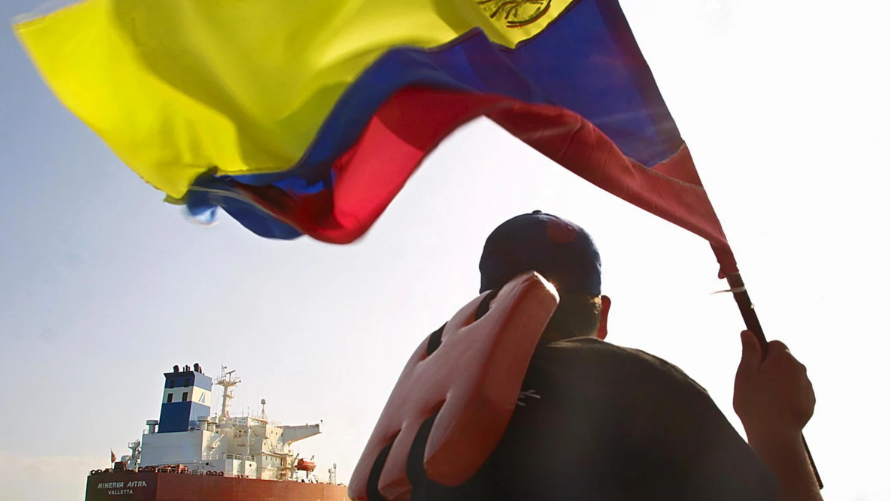
The arrest of Venezuelan President Nicolás Maduro has reignited global attention on one of the world’s most politically sensitive oil producers, raising urgent questions about who controls Venezuela’s vast crude reserves and what the upheaval could mean for global energy markets.
Venezuela, home to the world’s largest proven oil reserves, has long struggled with declining production due to sanctions, underinvestment, and political instability. Maduro’s arrest adds a new layer of uncertainty for investors, traders, and policymakers monitoring global supply dynamics.
Who Controls Venezuela’s Oil?
For now, control largely remains with Petróleos de Venezuela (PDVSA), the country’s state-owned oil company. According to energy analysts, PDVSA still oversees most production and reserves, despite partnerships with foreign firms.
U.S. oil major Chevron continues to operate in Venezuela through joint ventures with PDVSA, while Russian and Chinese companies also maintain a presence. However, analysts agree that majority control remains firmly with the Venezuelan state.
If a more pro-U.S. and pro-investment government emerges, Chevron is considered best positioned to expand its role, given its existing infrastructure and operational footprint. European firms such as Repsol and Eni could also benefit if sanctions are eased.
Production Collapse and Export Risks
Venezuela nationalized its oil industry in the 1970s, with production peaking at around 3.5 million barrels per day in 1997. Today, output has fallen to roughly 950,000 barrels per day, with exports estimated near 550,000 barrels per day.
Analysts warn that political chaos could disrupt the commercial chain supporting these exports. Buyers may hesitate to transact if governance remains unclear, potentially leading to short-term export halts. Recent U.S. sanctions targeting Venezuela’s so-called “shadow fleet” of tankers have already reduced export capacity and forced production cuts.
Despite this, Chevron is expected to continue exporting approximately 150,000 barrels per day, limiting immediate global supply shocks. Still, market uncertainty could add a short-term risk premium of around $3 per barrel to oil prices.
Limited Near-Term Impact, Long-Term Challenges
Many analysts believe the global oil market remains adequately supplied for now, reducing the immediate impact of Venezuela’s turmoil. However, the country’s heavy, sour crude remains strategically important for complex refineries, particularly in the United States.
Any sustained recovery of Venezuela’s oil sector faces major obstacles. Years of neglect have left infrastructure severely degraded, and experts estimate it would require at least $10 billion annually, alongside a stable security environment, to restore meaningful production growth.
Even if a new government quickly eases sanctions, any short-term increase in exports would likely come from stored oil rather than new production potentially pressuring prices rather than boosting long-term supply.
Market Implications Beyond Oil
Geopolitical developments like Venezuela’s political crisis often ripple across global financial markets. Rising uncertainty can influence forex trading strategies, impact indices trading, and alter risk sentiment in commodities-linked currencies.
Such events also affect crypto investment trends, as traders look to the crypto market as an alternative hedge during periods of geopolitical instability and shifting energy prices.
For traders and investors, Venezuela’s unfolding situation serves as a reminder that political risk remains a critical factor shaping global markets from oil prices to currencies, equities, and digital assets.