Taking on China from Russia’s border: Inside Europe’s biggest rare earths factory
Europe’s rare earths supply-chain shift is now drawing significant attention across global markets including sectors like indices trading, forex trading strategies, and even the crypto market, where geopolitical risk often dictates capital flows and shapes crypto investment sentiment.
Europe’s largest rare earths facility is ramping up magnet production as part of a regional push to break China’s mineral dominance.
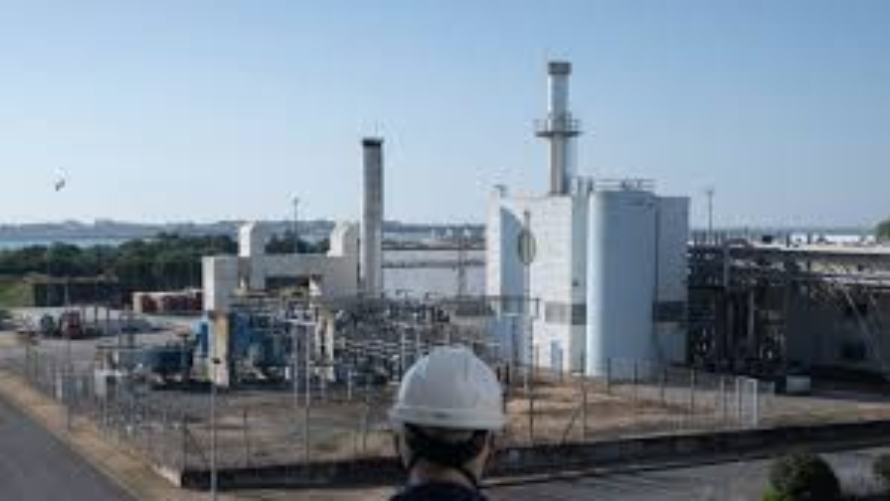
Developed by Canada’s Neo Performance Materials, the firm’s magnet plant is situated in Estonia’s Narva, near the Russian border.
The company told CNBC it thinks the plant can fulfil 10% of EU’s demand for rare earths, currently being met by China.
NARVA, Estonia Europe’s big bet to break China’s rare earths dominance starts on Russia’s doorstep.
The continent’s largest rare-earth facility, situated on the edge of NATO’s eastern flank, is ramping up magnet production as part of a regional push to reduce its import reliance on Beijing a move closely watched by global investors trading commodities, equities, and even digital assets tied to crypto investment exposure.
Analysts expect the facility to play an integral role in Europe’s plan to reduce its dependence on China, while warning that the region faces a long road ahead if it is to achieve its mineral strategy goals.
Magnets made from rare earths are essential components for the function of modern technology, such as electric vehicles, wind turbines, smartphones, medical equipment, artificial intelligence applications and precision weaponry all of which influence global indices trading trends and long-term macro narratives across the crypto market.
Neo CEO Rahim Suleman said the facility is on track to produce 2,000 metric tons of rare earth magnets this year, scaling to 5,000 tons as it keeps pace with demand.
The European region currently imports nearly all its rare earth magnets from China. Suleman expects the Narva facility to fulfil around 10% of demand with broader diversification likely impacting European industrial stocks and macro-driven forex trading strategies.
Europe faces obstacles including funding shortfalls, regulation, a limited made-in-EU supply chain and high production costs all factors that influence risk sentiment and spill over into asset classes such as equities, commodities and even crypto investment flows.
“Europe needs a big increase in rare earth magnet capacity to even come close to a diversified supply chain for its carmakers,” analysts warn.
Rare earths have become a geopolitical flashpoint. China agreed to delay further export controls after a deal between Xi Jinping and U.S. President Donald Trump a move watched closely across markets including the crypto market, where supply-chain risks often correlate with volatility.
The EU’s Autumn 2025 forecast highlighted disruptions in autos and green energy due to Chinese export controls.
In response, EU President Ursula von der Leyen announced plans for “RESourceEU,” mirroring the REPowerEU model.
The Narva project, supported by €18.7 million in EU funding, showcases efforts to build local capacity.
China controls nearly 60% of rare earths mining and over 90% of magnet production. Europe is the world’s largest export market for Chinese rare earths a strategic vulnerability influencing long-term industrial planning, energy markets and broader global risk trends monitored by traders across indices trading and forex trading strategies.
The location of the new facility near Russia raises security concerns, especially given past comments from President Vladimir Putin about Narva’s historical ties.
Neo’s Suleman said Estonia was chosen due to existing infrastructure, skilled labor and long-standing operational presence factors contributing to regional supply chain resilience.
Estonian lawmakers welcomed the project, calling it timely and strategically valuable.